
My Agnes Asterisk
Erasing the Footnotes of Our Grief

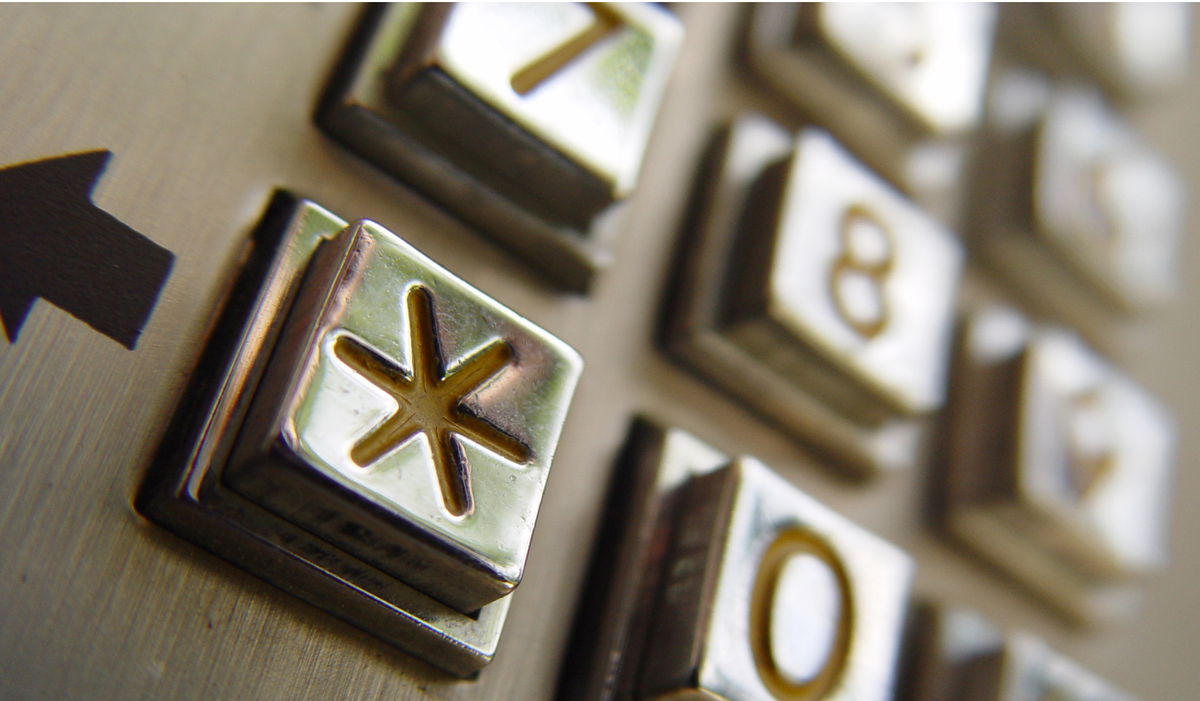
For twenty years, I carried my grief for Agnes. For twenty years, I lived across the span of emotions, from sleeping in a hammock on a beach in Mexico to earning my doctorate to singing "Cucurucú Paloma" with mariachis in front of a crowd of thousands on Día de la Independencia to experiencing the loss of great friends to giving birth and raising my Bumblebee to losing my darling Bird in my womb.
During every chapter, my grief for Agnes was an asterisk.
When I was 22, I was shuffling through chemotherapy and grad school. To protect my depleted immune system, my partner, Agnes, went straight to the hospital when she was diagnosed with pneumonia. Before I even realized what had happened, Agnes's mother, Sylvia, had arrived at our apartment, letting herself in with her key. I was lying on the bathroom floor, infuriated that I was nauseous because I was young and foolish enough to believe I could will my body to change how it felt. I was grateful for our cold avocado-green tile floor, and I smugly admired our taste in fluffy towels. Sylvia brought me an orange popsicle, and I wondered if Agnes had told her that orange was my favorite flavor.
"Agnes died of sepsis."
I was shocked that she was being so blunt, but then I realized she had already told me once, and I hadn't understood her soft explanation. It quickly became clear to both of us that I was too sick to go to the funeral. I hadn't said goodbye to her when she was alive, and I wouldn't be able to say goodbye to her in death either.
Sylvia nursed me through the end of the chemo cycle, and I convinced my professors to let me finish the semester remotely. (This was 2000 and a big deal.) We cleaned out Agnes's closet, and I went to stay with Sylvia and her husband, Bernard, in North Carolina to recover. I wrapped myself in Agnes's ugliest sweater and refused to wash her pillowcase for far too long. Even as friends praised me for moving on and completing my postgraduate studies on time, I wrote a footnote every time her name came up: "This happened because you were sick. This was your fault."
Over the years, I did the work and went to therapy. I reached "acceptance," that final, neat box on the expert’s checklist. I became a community organizer and organically moved into death work. I could say the right things about responsibility and fluke tragedies, but my asterisk stayed firm. There were exceptions to grace and forgiveness, I told myself. Perhaps my gentleness in my doula-ing was even my penance.
The Stoop Double Standard
My reconciliation didn’t happen in a therapist's office or through a masterclass in grief. It happened on a stoop in Oaxaca during the height of COVID-19 lockdowns.
I was watching my daughter rollerblade, the sound of her wheels on the pavement providing a steady rhythm to a conversation I was having across the garden. My neighbor was mourning her father. Because of the rigid bubbles of the pandemic, she hadn't seen him face-to-face in months. She was drowning in the same responsibility I had carried for two decades: the belief that her choices carried shame and blame.
As I comforted her, I used the precise language of grace that I had denied myself for twenty years. I told her that a fluke of biology and circumstances is not a failure of character. I told her that our love is not measured by our proximity to a tragedy we cannot control.
In witnessing (to) her, I finally recognized the absurdity of my asterisk.
In the collective isolation of the pandemic, I realized that everyone was trying to add an asterisk to their grief to make sense of the senseless. In that moment of communal witness, I deleted mine.
For the first time since I was 22, I was finally allowed to grieve Agnes completely. It was a heartbreaking, joyful transition.
I recognize this afternoon as the moment I became a grief doula—for myself and others.
Tapestries vs. Checklists
We are often sold the "Seven Stages of Grief" as if it were a linear career path, a way to eventually become an "expert" in our own loss. Expertise is a dead end in this work.
When we treat grief as a checklist, we can become stuck. We can also leave deeper, trickier questions by the wayside in our rush to get through the bullet points. Those discarded questions become our asterisks and can lead to patterns of fear, abandonment, and isolation.
But when we treat grief as a tapestry, it becomes intertwined with our living. It becomes a comfort and a warmth, showing up in the savory scent of our loved one's favorite dish, in the way we handle a difficult conversation, or in the traditions we carry forward. A tapestry of grief doesn't hold us back; it holds us and moves with us.
The Midwifery of Meaning-Making and "I Don't Know"
As a death and grief doula, I’ve found that many of us hold ourselves to stricter standards for how we process our grief than we would ever demand of others. Translating our patience, vulnerability, and compassion to ourselves requires creativity. Sometimes, we can’t speak the truth face-to-face, especially when that requires looking in a mirror.
This is when storytelling can come in. We can use a fable, a legacy project, or a creative ritual to midwife the grief out of a fear loop. Whether it’s writing a letter, songwriting, telling stories in third person to shift perspective, taking up hobby that our deceased loved one had a passion for, or simply sitting on a stoop to air out the house and get a new perspective, these are the creative practices that return our agency to us.
Humility in grief and in death work means recognizing that you don’t have to have all the answers. You just have to be willing to pick up the tools as you find them.
(Sometimes the greatest relief I see on my clients' faces is when I say, "I don't know" or "let me think on that one" when they ask a question. Let's all give ourselves permission to figure things out, yeah?)
On the stoop that day, as she felt a wave of comfort, my neighbor sighed, "I wish I could hug you right now."
I leaned back on the wall, pulling my legs in to let Bumblebee pass again on her rollerblade loops. "There are so many ways to hold someone." My Reframery practice is a journey of picking up those "many ways" and adding them to a collective and collaborative toolkit.
I respect and celebrate those who have navigated the "stages" of grief and found themselves standing on the solid ground of acceptance. There is a deep, hard-won security in that feeling of completion, and if that is where you are, I want to honor your peace.
But I also know there are many of us who have "accepted" our loss while still carrying an asterisk that keeps being copied and pasted into every new chapter of our lives. If you are still wrestling with a footnote that feels like a burden—a nagging sense of "if only" or a secret responsibility that refuses to stay in the past—I invite you to look at it with a different kind of curiosity.
I hope you don't wait twenty years to erase your own asterisk. You can start by storytelling in whatever way you feel called, not to find a "cure" for your grief, but to reclaim the agency that the asterisk stole from you. That could be buying watercolors even though you know just how bad and messy your painting is. It can be writing letters that you'll never ever mail. For me, I started with singing a song that I had silenced: Starship's "Nothing's Going to Stop Us Now." It was the song that Agnes and I sang to win every karaoke contest we ever entered (that would be 17 contests, thankyouverymuch).
Give yourself permission to be an un-expert in your own healing. You don't have to know what you're doing as long as you keep trying things out. If you find yourself sitting on your own stoop, looking at a toolkit that feels a little light, please reach out. We can look through the tools together and see which ones actually feel solid in your hands.
There are so many ways to hold someone... and you don't have to hold anyone or any weight alone.